Every Product, Independently Rated
49 products across 11 categories, each rated on two dimensions: how plastic-free it is, and how dangerous the plastic exposure is to your health if you don't switch.
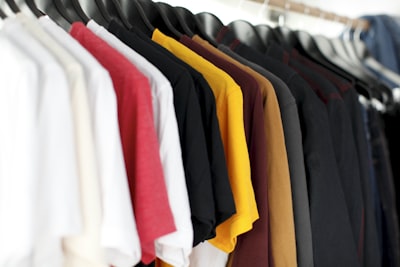
GOTS Organic Cotton Boxer Briefs
⚠️ IMPORTANT: Underwear is in continuous direct contact with your most sensitive and absorptive tissue for 12–16 hours per day. Synthetic underwear (nylon, spandex, polyester blends) sheds microplastics and chemical additives directly against genital tissue. Studies have detected synthetic microfibers in human reproductive tissue. For children and adolescents, this exposure coincides with critical hormonal development.

Organic Cotton & Latex Mattress
You spend 7–9 hours per night with your face inches from your mattress, breathing whatever it off-gasses. Conventional mattresses contain polyurethane foam — a petroleum-based plastic — that continuously releases VOCs (volatile organic compounds) and flame retardant chemicals into the air you breathe while you sleep. Children and infants sleeping on conventional mattresses are at highest risk because they spend more time sleeping and breathe more air relative to their body weight.

100% Plastic-Free Organic Bra
⚠️ IMPORTANT: Bras are worn in direct contact with breast tissue — one of the most hormonally sensitive areas of the body — for 8–12 hours per day. Conventional bras are almost entirely synthetic (nylon, spandex, polyester). The proximity to lymph nodes and breast tissue makes this one of the most urgent clothing swaps for women.
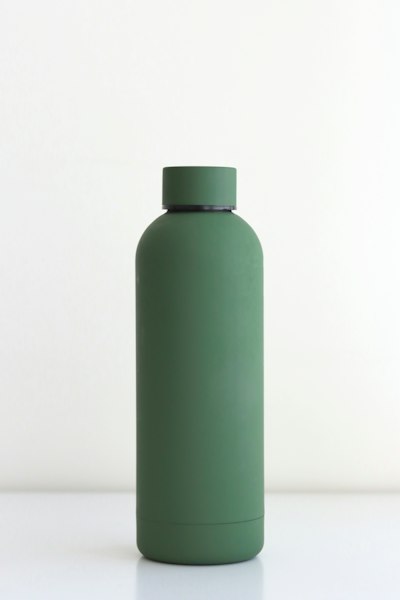
Classic Insulated Water Bottle (18 oz)
Plastic water bottles are one of the most studied sources of microplastic exposure. A single 1-liter PET bottle releases an average of 240,000 microplastic particles into the water. You drink from a bottle every day — this adds up to millions of microplastic particles per year.

Ventile Cotton Waterproof Jacket
Conventional waterproof jackets use PFAS (per- and polyfluoroalkyl substances) — known as 'forever chemicals' — as a DWR coating. PFAS accumulate in the body and are linked to cancer, thyroid disruption, and immune suppression. They never break down in the environment or in your body.

Wide-Neck Glass Baby Bottles (9 oz)
⚠️ CRITICAL FOR INFANTS: Warming milk in plastic baby bottles dramatically accelerates microplastic and BPA leaching. A 2020 study in Nature Food found that sterilizing polypropylene baby bottles and preparing formula in them releases up to 16.2 million microplastic particles per liter. Infants are fed multiple times per day during their most vulnerable developmental window — when their endocrine system, brain, and immune system are forming.

10.25-Inch Cast Iron Skillet
Cast iron is one of the oldest and safest cooking surfaces available. There are no synthetic coatings, no PFAS, and no plastic components. The only thing that transfers from cast iron to food is trace amounts of iron — which is actually beneficial for people with iron deficiency. Lodge has manufactured cast iron cookware in the U.S. since 1896 and is the most widely recommended non-toxic cookware by environmental health experts.

Kid Cup 12oz with Straw Lid
Stainless steel cups with silicone straws eliminate all plastic-to-liquid contact. The 18/8 food-grade stainless steel body is inert — it does not leach any chemicals into liquids at any temperature. The silicone straw is the only component that contacts liquid, and food-grade silicone is considered one of the safest materials available. Klean Kanteen publishes full material disclosures and has been independently tested for heavy metals.
Reusable Silicone Storage Bags
Plastic zip bags are in direct contact with your food every day. Standard LDPE/LLDPE bags leach plasticizer additives into food — especially fatty foods like cheese, meat, and avocado. The longer food sits in plastic, the more it absorbs.

Multi-Surface Cleaning Tablets
Plastic spray bottles degrade over time in your cleaning cabinet, shedding microplastics into the product inside. These end up on your kitchen counters and surfaces where food is prepared. The environmental impact of billions of single-use plastic cleaning bottles is also significant.

Merino Wool Training Shorts
⚠️ HIGH RISK CATEGORY: Activewear is the highest-risk clothing category for plastic exposure. Sweating opens your pores and dramatically increases skin absorption. Polyester gym shorts in direct contact with your skin during exercise — when you are sweating and your pores are open — creates maximum chemical absorption. Most activewear is 80–95% synthetic plastic.
Active Mineral Sunscreen SPF 40
Mineral sunscreens using zinc oxide sit on top of the skin rather than absorbing into it — making them fundamentally safer than chemical sunscreens. Badger uses only zinc oxide as the active ingredient, with certified organic inactive ingredients and aluminum tube packaging (recyclable, no plastic leaching). The EWG has consistently rated Badger among the safest sunscreens available.
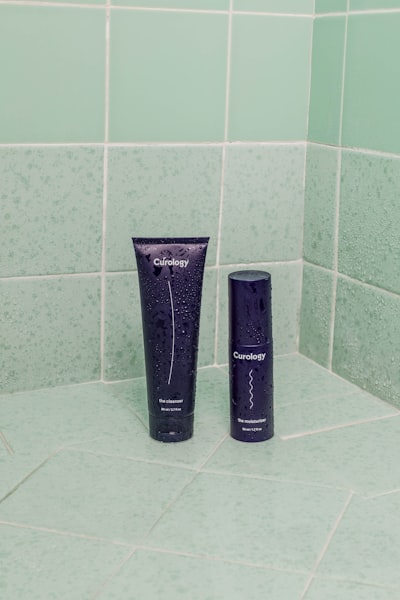
Moisturizing Shampoo Bar
Plastic shampoo bottles sit in your warm, humid shower for months. Heat and moisture accelerate microplastic shedding from the bottle into the product inside. The scalp is highly vascular — products applied to it absorb quickly into the bloodstream.
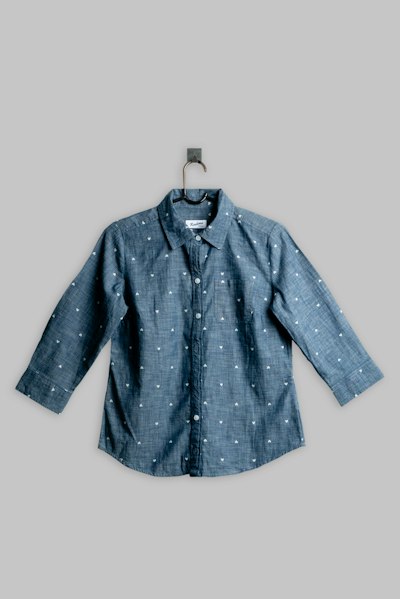
Organic Linen Button-Down Shirt
Everyday shirts are worn against skin for hours. Synthetic blend dress shirts shed microplastics throughout the day. Linen is one of the most breathable, naturally antimicrobial, and plastic-free fabric options available.
Maple Edge-Grain Cutting Board
Wood cutting boards are the safest option for food preparation. Solid hardwood sheds zero microplastics, is naturally antimicrobial (wood's cellular structure traps and kills bacteria), and lasts decades with proper care. John Boos has manufactured professional-grade wood cutting boards in the U.S. since 1887 and is used in professional kitchens worldwide.
Rover Stainless Steel Lunch Box
Plastic lunch boxes and bags are a daily source of microplastic and PFAS exposure for school-age children. A 2023 study found PFAS in 57% of plastic bags sampled. PlanetBox eliminates all plastic food contact — the entire interior is 18/8 stainless steel. Children eat from this surface every school day for years, making material safety critical. The stainless steel is inert, dishwasher safe, and does not degrade over time.
Organic Beeswax Food Wraps
Conventional plastic wrap (cling film) is made from PVC or LDPE and leaches plasticizers directly into food — especially fatty foods like cheese, meat, and leftovers. PVC contains phthalates that are potent hormone disruptors. You use it every day, often on food you eat immediately.

GOTS Certified Organic Cotton Sheets
Polyester bed sheets are in direct skin contact for 7–9 hours every night. Body heat accelerates the release of microplastics and chemical dyes through your skin. This is one of the most overlooked sources of daily plastic exposure — most people never think about their sheets as a source of chemical exposure.
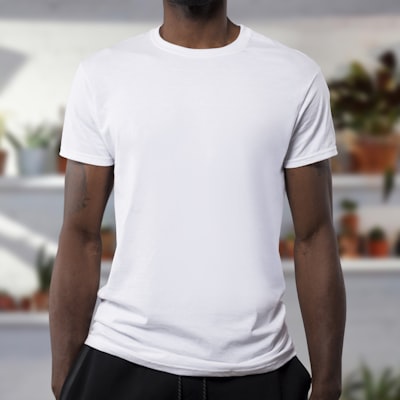
GOTS Organic Cotton Everyday Tee
T-shirts are worn directly against skin for hours daily. Polyester and synthetic blend shirts shed microplastics continuously, especially when warm or sweaty. Switching your everyday basics is one of the most impactful clothing changes you can make — you wear a shirt every single day.
Boys' Organic Cotton Boxer Briefs
PACT's boys' boxer briefs represent the gold standard for this product category. GOTS-certified organic cotton means the fabric has been independently verified to be free from synthetic pesticides, heavy metals, formaldehyde, and harmful dyes from farm to finished garment. For a product worn against children's most sensitive tissue during every critical year of development, this level of verification matters more than in almost any other product category.
Versa Skillet 10-Inch
Xtrema cookware is made from 100% pure ceramic with no metal base, no synthetic coatings, and no PFAS of any kind. It is third-party tested and certified free of lead, cadmium, and all PFAS compounds. The only trade-off is that pure ceramic requires more careful handling than cast iron — it can crack if dropped or subjected to thermal shock.
Rustic Solid Deodorant Bar
Ethique's solid deodorant bar eliminates the plastic applicator entirely — it comes in compostable cardboard packaging. The formula is aluminum-free, paraben-free, and uses only disclosed natural fragrance ingredients. One bar replaces approximately 3 conventional plastic deodorant sticks. This is the most plastic-free deodorant option currently available in the mainstream market.
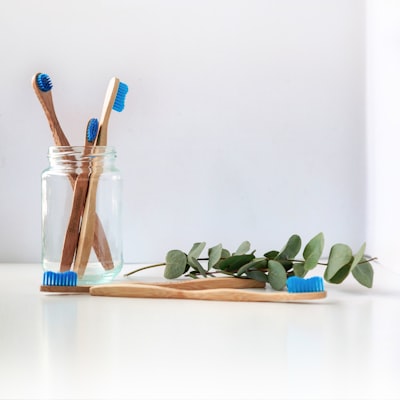
Bamboo Toothbrush
You brush your teeth twice a day, every day. Your mouth's mucous membranes are among the most absorptive tissue in the body — microplastics and chemical additives from plastic toothbrushes enter your bloodstream directly through your oral tissue. Over a lifetime, you will use 300+ toothbrushes.
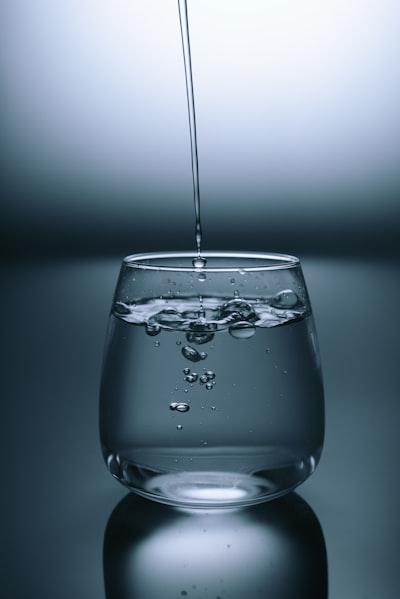
Big Berkey Countertop Water Filter
Tap water in the US contains measurable microplastics in most municipalities. You drink 2–3 liters per day. Over a year, unfiltered tap water can deliver millions of microplastic particles into your body. Microplastics have been detected in human blood, lungs, and brain tissue.

Heirloom Wooden Toy Set
⚠️ IMPORTANT FOR CHILDREN: Children mouth toys constantly — especially infants and toddlers. Plastic toys shed microplastics and contain chemical additives (flame retardants, phthalate plasticizers, heavy metal dyes) that absorb through oral mucosa. Children's developing endocrine systems are far more vulnerable to these chemicals than adults. The dose that harms a child is much lower than the dose that harms an adult.
Dish Soap Bar
Plastic dish soap bottles sit in warm, wet conditions next to your sink for months. This accelerates microplastic shedding from the bottle into the soap. Dish soap residue on plates and utensils can transfer to food — especially if rinsing is incomplete.
Fllo Convertible Car Seat
Clek is the gold standard for chemical transparency in car seats. They publicly disclose which components contain which materials, and their foam, harness, and fabric are all free of added flame retardants. The optional Merino wool cover is naturally flame-resistant without any chemical treatment — the same approach used in aircraft seating.
Wide-Mouth Glass Mason Jars (32 oz)
Storing acidic foods (tomatoes, citrus, fermented foods) in plastic containers dramatically increases chemical leaching. The longer food sits in plastic, the more it absorbs. Switching to glass for food storage is one of the highest-impact changes a family can make.

Borosilicate Glass Food Storage Set
Heating food in plastic containers — especially in a microwave — is one of the highest-risk daily exposures in the average home. BPA, phthalates, and BPA substitutes leach directly into your food when plastic is heated. Pyrex solves the container problem; the plastic lids are still a concern for microwave use.
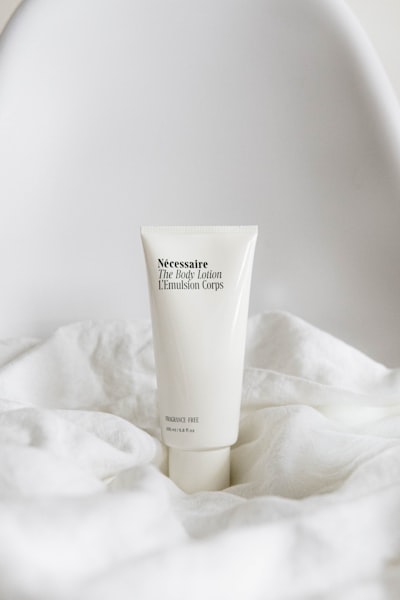
Vitamin C Serum (Glass Bottle)
Skincare stored in plastic bottles can absorb plasticizers from the container, which are then applied directly to your skin and absorbed transdermally. This is especially concerning for oil-based serums — oil is a solvent that pulls plastic chemicals out of containers. You apply this to your face daily.

Organic Teak Kitchen Utensil Set
Plastic cooking utensils shed microplastics directly into hot food during cooking. A 2023 study found a plastic spatula can release up to 2.3 million microplastic particles per minute when used in a hot pan. You stir, flip, and serve with these tools every day.
Boys' Organic Cotton Briefs (4-Pack)
Burt's Bees Baby uses GOTS-certified organic cotton — grown without synthetic pesticides and processed without harmful chemical finishes. This is a meaningful safety improvement for a garment worn against children's most sensitive tissue for 12+ hours daily. The only concern is the spandex content in the elastic waistband, which is a small but real source of synthetic fiber. For parents prioritizing safety in this category, this is one of the better mainstream options available.
RAVA Convertible Car Seat
Car seats are one of the highest-exposure children's products due to daily hours of direct contact with treated materials in an enclosed, heated space. Nuna is one of the few brands that has eliminated chemical flame retardants from seat fabric and foam, instead meeting federal flammability standards through inherently flame-resistant materials. This is the approach recommended by pediatric environmental health experts.
Natural Deodorant
Native is a significant improvement over conventional antiperspirants — no aluminum, no parabens, and the unscented version has no synthetic fragrance. However, it still comes in a single-use plastic applicator, and some scented formulas contain fragrance blends that are not fully disclosed. It is a reasonable transitional choice for people moving away from conventional deodorant, but plastic-free packaging options are available from other brands.
Boys' Tagless Briefs (7-Pack)
Carter's Boys' Tagless Briefs are primarily cotton, which is a meaningful improvement over polyester-dominant competitors. However, the elastic waistband and leg openings contain spandex/elastane — a synthetic plastic fiber. Carter's does not publish information about the finishing chemicals, dyes, or formaldehyde-based wrinkle treatments used in production. The garment carries no OEKO-TEX, GOTS, or other third-party certifications confirming it is free from harmful chemicals. Given the intimate contact and daily wear by children, the absence of certification is a meaningful concern.
Hybrid Non-Stick Pan 10-Inch
HexClad markets itself as a premium, safer alternative to traditional non-stick pans — but independent testing by Mamavation in 2023 detected fluorine (a marker for PFAS) in the cooking surface. HexClad's response was to dispute the methodology rather than provide independent third-party testing confirming the pan is PFAS-free. Until transparent, verified testing is published, this pan cannot be recommended. The premium price point makes this particularly concerning — consumers paying $150+ for a pan they believe is safer are not getting what they paid for.
Plastic Cutting Board (Standard)
Plastic cutting boards are one of the most overlooked sources of microplastic ingestion in the American kitchen. Every time a knife crosses the surface, it cuts microscopic plastic particles loose — and those particles go directly into your food. A 2023 study published in Environmental Science & Technology found that a standard plastic cutting board can shed between 7.4 and 50.7 million microplastic particles per year. Polyethylene and polypropylene — the most common cutting board plastics — are not considered toxic themselves, but the microplastics carry surface chemicals and can accumulate in organs.
Clinical Strength Deodorant
Deodorant and antiperspirant are applied daily to the underarm — skin that is thin, often freshly shaved (increasing absorption), and directly adjacent to lymph nodes and breast tissue. Secret Clinical Strength contains aluminum chlorohydrate (which blocks sweat ducts), fragrance (a catch-all term that can legally hide hundreds of undisclosed chemicals including phthalates), and propylene glycol. The plastic applicator is single-use and non-recyclable. While the aluminum-breast cancer link remains scientifically debated, the daily application to lymph node-adjacent tissue of a product with undisclosed fragrance chemicals is a legitimate concern.
My First Sippy Cup 7oz
Sippy cups are used by toddlers for hours every day, filled with warm liquids that accelerate chemical leaching. A 2021 study published in Food Chemistry tested 13 brands of sippy cups and found that all of them released BPA or BPS into liquids — including brands labeled 'BPA-free.' BPS, the most common BPA replacement, has been shown in research to have similar estrogenic activity to BPA. Toddlers are in a critical window of hormonal and neurological development, making endocrine disruptor exposure particularly concerning during this period.
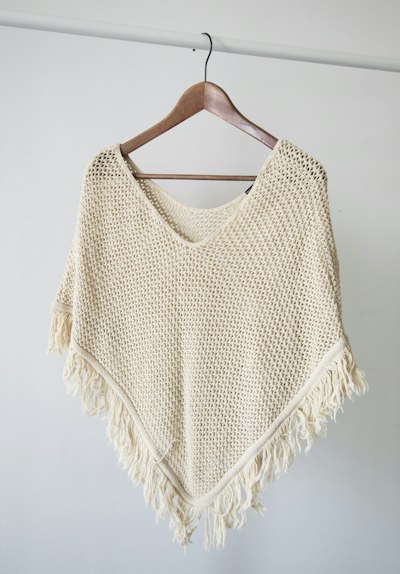
Ultimate Stash 7/8 Tight
⚠️ HIGH EXPOSURE RISK: Athleta's tights use Econyl® recycled nylon — a genuine sustainability improvement, but still 100% synthetic plastic that sheds microplastics and sits against your skin during exercise. Recycling nylon does not eliminate the microplastic shedding problem — it only reduces the carbon footprint of production.
Staple Boxer Brief
⚠️ CRITICAL EXPOSURE RISK: Underwear is in continuous direct contact with the body's most sensitive and absorptive tissue for 12–16 hours per day. Ethika's Staple boxer briefs are made from 65% polyester — a petroleum-based plastic that sheds microplastics directly against genital tissue. Studies have detected synthetic microfibers in human reproductive tissue. For boys and adolescent males, this exposure coincides with critical hormonal development.
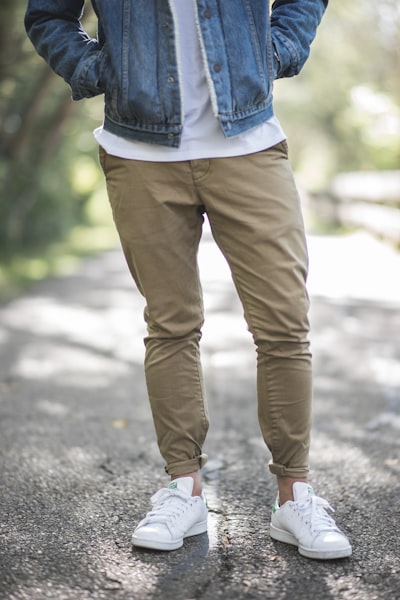
Performance Jogger Pants
⚠️ HIGH EXPOSURE RISK: Vuori's Performance Jogger is approximately 88% polyester, 12% elastane — both fully synthetic plastics. Polyester sheds an estimated 700,000 microplastic fibers per wash cycle. Worn during exercise when sweating, these fibers and chemical additives absorb directly through open pores. Vuori markets heavily to health-conscious consumers without disclosing the plastic content of this specific product.
Align High-Rise Leggings 25"
⚠️ HIGH EXPOSURE RISK: These specific leggings are made from Lululemon's Nulu™ fabric — 81% nylon, 19% Lycra elastane. Both are petroleum-based synthetic plastics. They are worn skin-tight against your entire lower body during exercise, when pores are open and sweating maximizes skin absorption. Nylon sheds an estimated 700,000 microfibers per wash cycle.
Boys' Tagless Boxer Briefs (6-Pack)
⚠️ CRITICAL EXPOSURE RISK — CHILDREN: Boys' underwear is worn directly against genital tissue for 12 or more hours every single day, beginning in infancy and throughout the entire period of hormonal and reproductive development. Hanes Boys' Tagless boxer briefs are 60% polyester — a petroleum-based plastic. Polyester fabric sheds microplastic fibers that make direct contact with scrotal tissue, one of the most temperature-sensitive and hormonally active areas of the developing male body. A 2023 study found synthetic microfibers in human testicular tissue. Phthalates used in polyester processing are classified as endocrine disruptors — chemicals that interfere with the body's hormone system. For boys aged 2–16, this exposure occurs during the exact developmental window when hormonal disruption causes the most lasting harm.
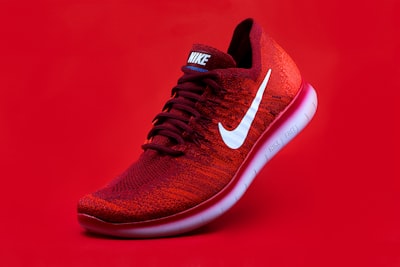
Dri-FIT One Leggings
⚠️ HIGH EXPOSURE RISK: Nike's Dri-FIT fabric is specifically engineered to pull sweat toward the fabric surface — which means it is in constant, intimate contact with your skin during exercise. This technology maximizes microplastic and chemical exposure during the exact conditions (sweating, elevated body temperature, open pores) that maximize skin absorption.
Boys' Assorted Boxer Briefs (7-Pack)
⚠️ CRITICAL EXPOSURE RISK — CHILDREN: Fruit of the Loom's boys' boxer briefs use a polyester mesh construction — meaning 100% synthetic plastic in the panel with the highest skin contact. Mesh fabric has greater surface area contact than woven fabric, increasing the rate of microfiber shedding directly against genital tissue. This garment is worn for 12+ hours daily by boys during the developmental years when endocrine-disrupting chemical exposure causes the most lasting harm to hormonal and reproductive health.
Extend2Fit Convertible Car Seat
Car seats are among the most chemically concerning children's products because infants and toddlers spend hours each day in direct contact with treated foam and fabric. The seat heats up in a warm car — temperatures above 85°F accelerate off-gassing of flame retardant chemicals into the air your child breathes. A 2022 Ecology Center study found hazardous chemicals in more than half of U.S. children's car seats. TCIPP, the flame retardant found in Graco seats, was classified as a probable human carcinogen by the International Agency for Research on Cancer in 2024.
Expertise Non-Stick Frying Pan
Non-stick pans coated with PTFE (the chemical family that includes Teflon) are one of the most common sources of PFAS exposure in the American home. At normal cooking temperatures, the coating is relatively stable — but above 500°F (easily reached on high heat or an empty pan), PTFE breaks down and releases toxic gases. A scratched or chipped coating releases PFAS particles directly into your food. PTFE is a PFAS compound, and PFAS are linked to cancer, thyroid disease, immune suppression, and reproductive harm. Tefal does not disclose the specific PFAS compounds in their coatings.
Sport Ultra SPF 50 Sunscreen Spray
Sunscreen is applied to large surface areas of skin and left on for hours — making chemical absorption a significant concern. Banana Boat Sport Ultra was recalled in 2021 after independent testing found benzene contamination — a known human carcinogen linked to leukemia. The product also contains oxybenzone, which absorbs through skin into the bloodstream (confirmed by FDA studies), disrupts hormones, and is toxic to coral reefs. Spray sunscreens carry additional inhalation risk during application.